
Best Gardens in Japan: Traditional Landscapes and Natural Beauty
By Tour in Japan editors · Updated
Explore Japan's most beautiful gardens. Discover traditional landscape design, seasonal beauty, and the art of Japanese garden aesthetics from Kyoto to Kanazawa.
Japanese gardens represent some of the world's most sophisticated landscape design, combining natural beauty with philosophical principles and aesthetic refinement. These carefully crafted spaces offer contemplation, seasonal appreciation, and harmony between human creation and nature. From temple gardens in Kyoto to samurai gardens in Kanazawa, Japan's garden tradition spans centuries and continues to influence landscape design worldwide. Visiting these gardens provides insight into Japanese culture, aesthetics, and the relationship between people and their environment.
Kyoto's Temple Gardens
Kyoto's temple gardens represent the pinnacle of Japanese garden design, each reflecting different periods and philosophies. Ryoan-ji's famous rock garden features 15 stones arranged in a sea of raked gravel, creating a minimalist meditation space that has fascinated visitors for centuries. The garden's design ensures that from any angle, at least one stone remains hidden—a metaphor for human imperfection and the impossibility of complete understanding.
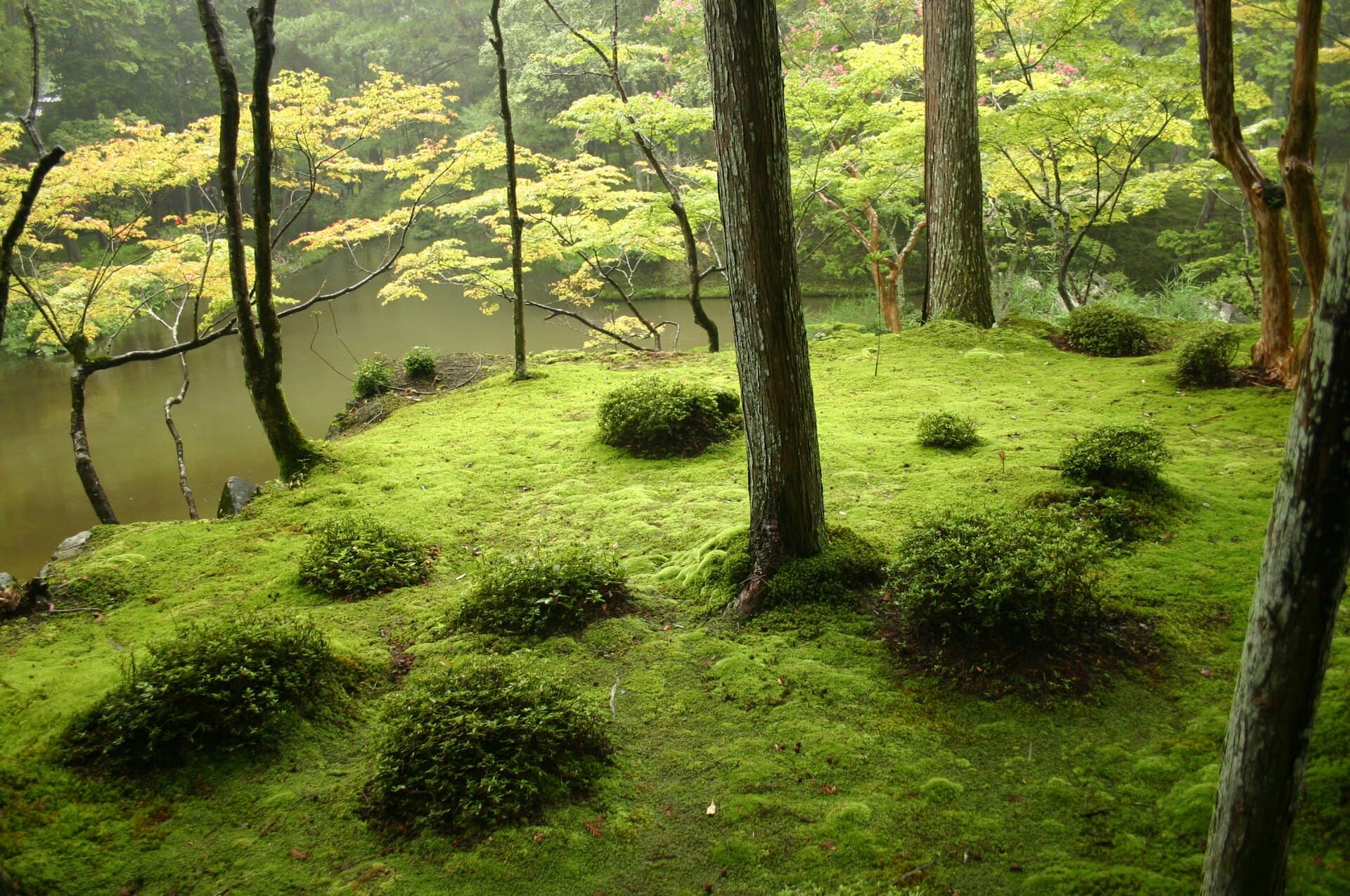
Ginkaku-ji (Silver Pavilion) offers a different aesthetic with its moss-covered grounds, carefully shaped pines, and iconic sand cone representing Mount Fuji. The garden's design incorporates borrowed scenery, using surrounding mountains as part of the composition. Kinkaku-ji (Golden Pavilion) reflects in its pond, creating a stunning visual harmony between architecture and landscape. These gardens demonstrate how Japanese design integrates buildings, water, plants, and stones into unified experiences.
Kanazawa's Kenrokuen
Kenrokuen in Kanazawa is considered one of Japan's three most beautiful landscape gardens, alongside Kairakuen in Mito and Korakuen in Okayama. Developed over centuries by the Maeda clan, the garden exemplifies the six characteristics of a perfect garden: spaciousness, artificiality, antiquity, water features, panoramic views, and seclusion. Walking paths lead through carefully composed scenes featuring ponds, streams, waterfalls, and meticulously placed stones.
The garden transforms dramatically with seasons—cherry blossoms in spring, fresh green in early summer, lotus blooms in late summer, brilliant maples in autumn, and snow-covered landscapes in winter. The famous Kotoji-toro lantern and ancient pine trees trained into elegant shapes are iconic elements. Kenrokuen demonstrates how Japanese gardens create year-round interest through careful plant selection and design.
Tokyo's Garden Treasures
Tokyo offers several exceptional gardens that provide peaceful escapes from urban bustle. Shinjuku Gyoen combines multiple garden styles—Japanese, English, and French—within one expansive park. Originally a feudal lord's garden, it became a public botanical garden in the Meiji era. The garden's scale allows for long walks through diverse landscapes, from traditional Japanese areas to formal European designs.
Hama-rikyu Teien, a former feudal garden, features tidal ponds that reflect the changing levels of Tokyo Bay. The garden's design incorporates the distant skyline, creating a unique blend of traditional and modern elements. Rikugien, another Edo-period garden, offers 88 scenic views inspired by famous Chinese and Japanese poems. These gardens demonstrate how traditional design principles adapt to urban settings.
Understanding Japanese Garden Design
Japanese garden design follows principles that differ significantly from Western traditions. Asymmetry and naturalness are valued over symmetry and formality. Gardens are designed to be experienced from specific viewpoints along carefully planned paths, with each turn revealing a new composition. The concept of shakkei (borrowed scenery) incorporates distant mountains, trees, or buildings into the garden's design.
Water represents life and purification, whether as still ponds, flowing streams, or cascading waterfalls. Stones symbolize mountains and permanence, while plants represent the changing seasons. Every element has symbolic meaning and practical purpose. Understanding these principles enhances appreciation of the thought and care that went into creating these spaces.
Seasonal Beauty and Timing
Japanese gardens are designed to showcase seasonal changes, with each time of year offering unique beauty. Spring features cherry blossoms, azaleas, and fresh green foliage. Summer brings lotus flowers, hydrangeas, and lush greenery. Autumn displays brilliant maple and ginkgo colors. Winter reveals garden structure with snow on evergreens and bare branches creating stark beauty.
Timing your visit to specific seasonal highlights enhances the experience. Cherry blossom season (late March to early April) and autumn foliage (November) are peak times but also most crowded. Early morning visits offer peaceful experiences and better lighting for photography. Some gardens have special evening illuminations during peak seasons, creating magical nighttime experiences.
Stay Connected in Japan
Yesim eSIMs work on arrival — no physical SIM needed. Japan data plans from $5.