
Anime Pilgrimages in Japan: Visiting Real-Life Locations
By Tour in Japan editors · Updated
Discover real locations from your favorite anime. Plan your anime pilgrimage across Japan with this guide to famous filming locations and sacred sites.
Anime pilgrimages, known as seichijunrei in Japanese, have become increasingly popular as fans travel to real-life locations that inspired or appeared in their favorite series. From rural towns that served as settings for beloved shows to specific buildings and landmarks recreated in animation, these journeys offer a unique way to experience Japan through the lens of anime culture. Whether you're a dedicated otaku or simply appreciate the art form, visiting these locations provides deeper appreciation for both the anime and the real places that inspired them.
Your Name (Kimi no Na wa) Locations
Makoto Shinkai's Your Name sparked a pilgrimage boom to several Japanese locations. The Hida region, particularly Takayama and surrounding areas, inspired the film's rural setting. The Hida-Furukawa Station and its surrounding streets closely resemble scenes from the movie. The Suwa Taisha Shrine in Nagano Prefecture features prominently, with its iconic floating torii gate appearing in key scenes.
In Tokyo, the Shinjuku area includes several recognizable spots, though the fictional comet impact site doesn't exist in reality. The Suga Shrine staircase has become a popular photo spot for fans recreating the famous scene. Many visitors combine these locations with general sightseeing in each area, making the pilgrimage part of a broader Japan experience.
Studio Ghibli Inspirations
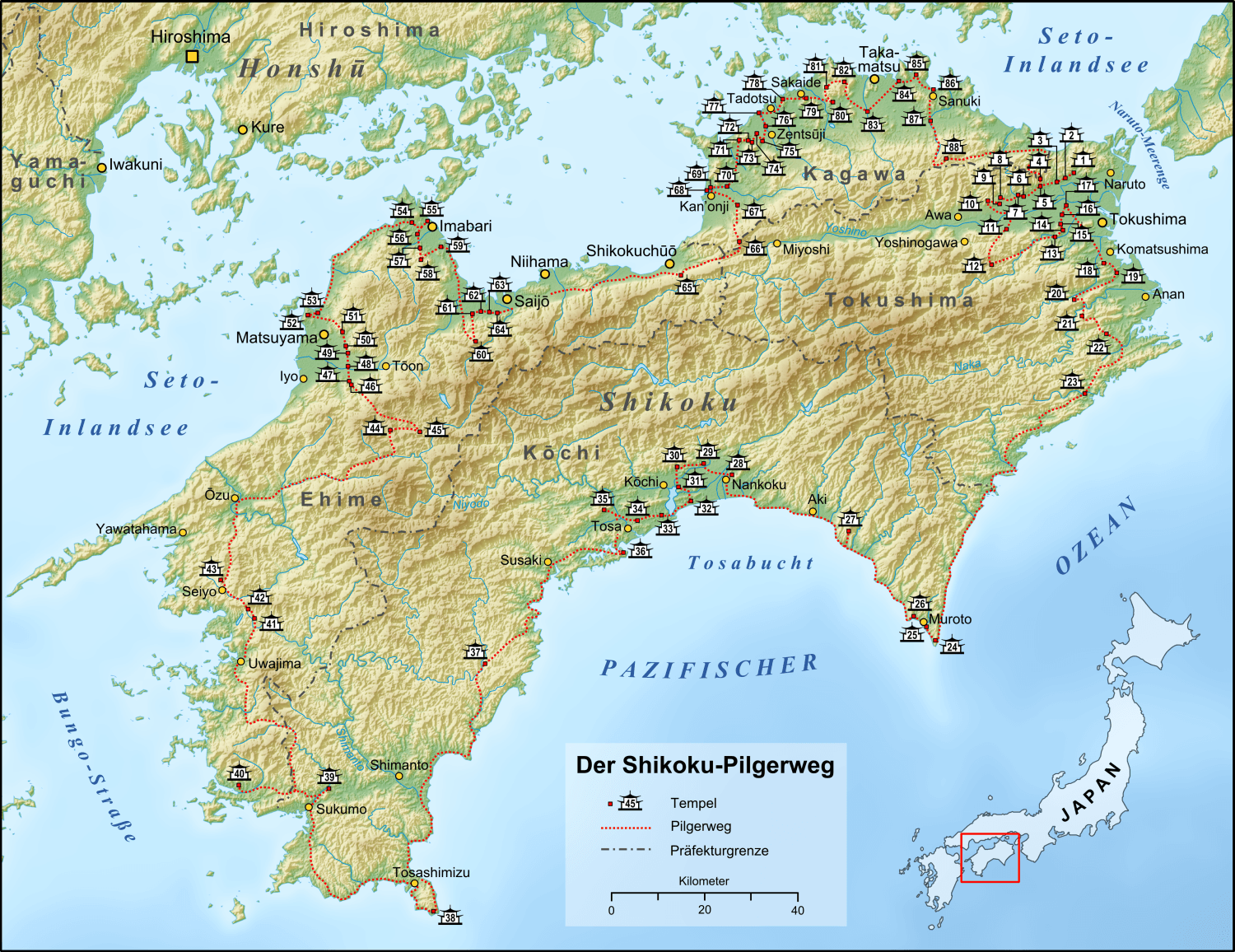
Studio Ghibli films draw inspiration from real locations across Japan and Europe. Spirited Away's bathhouse was inspired by the historic Dogo Onsen in Matsuyama, Shikoku's oldest hot spring. The town's nostalgic atmosphere and traditional architecture closely mirror the film's setting. Princess Mononoke drew inspiration from Yakushima's ancient cedar forests, though the actual filming location was elsewhere.
My Neighbor Totoro's rural setting was inspired by areas in Saitama Prefecture, particularly around Sayama Hills. While no single location matches the film exactly, the region's peaceful countryside and traditional farmhouses capture the same spirit. The Ghibli Museum in Mitaka offers insights into the creative process, though it doesn't specifically highlight real-world inspirations.
Tokyo Anime Locations
Tokyo serves as the setting for countless anime series, with specific neighborhoods becoming pilgrimage destinations. The Kichijoji area, featured in multiple series, offers a perfect blend of urban convenience and small-town charm. Shimokitazawa's narrow streets and vintage shops appear in works about youth culture and music. Akihabara remains the ultimate destination for anime fans, with its countless shops, maid cafes, and electronic stores.
The Odaiba area features prominently in sci-fi anime, with its futuristic architecture and waterfront setting. Specific train stations like Shinjuku, Shibuya, and Ikebukuro appear in countless series as backdrops for everyday life. Many fans enjoy comparing animated scenes with real photographs, noting how artists capture and sometimes exaggerate actual locations.
Rural Anime Towns
Several rural Japanese towns have embraced their anime connections, becoming destinations for dedicated fans. Oarai in Ibaraki Prefecture gained fame from Girls und Panzer, with the town featuring locations and characters from the series throughout. The town even hosts annual events celebrating the anime. Similarly, Washinomiya in Saitama became a pilgrimage site after appearing in Lucky Star.
These towns often provide maps showing anime locations, sometimes with QR codes that trigger augmented reality experiences on smartphones. Local businesses benefit from the tourism, offering themed merchandise and special menu items. The relationship between these communities and anime creators represents a unique form of cultural exchange.
Planning Your Anime Pilgrimage
Research is essential for a successful anime pilgrimage. Use online resources and fan communities to identify specific locations and verify they're still accessible. Some places may have changed since the anime was created, while others might be on private property. Respect local residents and businesses—many anime locations are everyday places for people who live there.
Consider timing your visit to coincide with local events or festivals that might relate to your favorite series. Some locations offer special tours or experiences during certain times of year. Photography policies vary—always ask permission before taking photos inside businesses or private properties. Most importantly, balance your pilgrimage with general sightseeing to experience the full richness of each destination beyond its anime connection.
Stay Connected in Japan
Yesim eSIMs work on arrival — no physical SIM needed. Japan data plans from $5.