Two Weeks in Japan: First-Timer Itinerary for Tokyo, Kyoto and Osaka
A 14-day route covering Tokyo, Kyoto, Osaka, Nara, Hiroshima and Miyajima, with Shinkansen travel, transport passes and booking advice for first-time visitors.
Affiliate link — we may earn a commission at no extra cost to you. Affiliate disclosure
Two weeks covers Tokyo, Kyoto, Osaka, Nara, Hiroshima and Miyajima without rushing. From 1 October 2026 the ordinary adult Japan Rail Pass costs ¥53,000 (~$338) for 7 days, ¥84,000 for 14 and ¥105,000 for 21.
Key facts
- Cost: ¥84,000 for the 14-day ordinary pass from October 2026; children 6–11 pay half.
- Time needed: Fourteen days, with one slower day built in.
- Best season: Late March to May and October to November.
- Book ahead: The rail pass, and any Kyoto accommodation in blossom season.
- Watch out for: Kodama stops everywhere: Tokyo to Kyoto takes 3 hours 40 minutes.
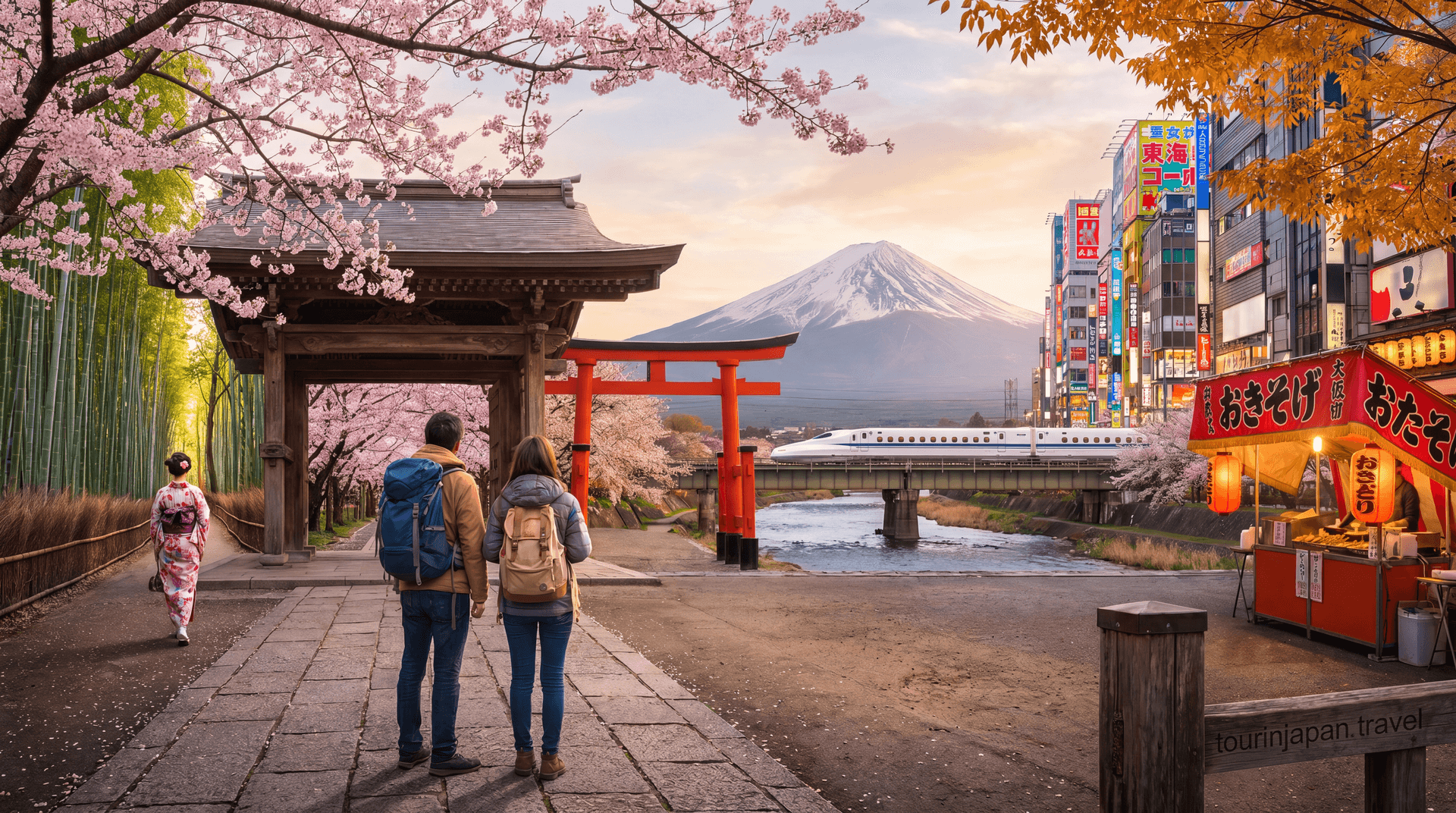
Two weeks in Japan is enough to see the classic route without rushing: Tokyo, Kyoto, Osaka, Nara, and Hiroshima and Miyajima. This 14-day plan uses Tokyo as your arrival base, moves west by Shinkansen, and leaves room for one slower day. It is built for first-time visitors who want the big sights but not a forced march.
Two weeks in Japan at a glance
Days | Base | What you cover |
|---|---|---|
1–5 | Tokyo | Arrival, Shinjuku or Asakusa, Harajuku and Shibuya, Asakusa and Akihabara, Shinjuku or Yanaka, day trip to Nikko or Hakone |
6–10 | Kyoto | Shinkansen from Tokyo, Gion and Higashiyama, Fushimi Inari and Nijo Castle, Arashiyama and Kinkaku-ji, Nara day trip, Philosopher's Path and Ginkaku-ji |
11–14 | Hiroshima and Osaka | Hiroshima Peace Memorial Park, Miyajima, Osaka food and castle, Kuromon Ichiba Market, Shinsekai |
Before you go
Japan Rail Pass in 2026
Prices for the nationwide Japan Rail Pass change on 1 October 2026 (JR Group price change notice). From that date the ordinary pass costs ¥53,000 for 7 days, ¥84,000 for 14 days and ¥105,000 for 21 days for an adult; children aged 6 to 11 pay half. Green Car passes cost ¥74,000, ¥116,000 and ¥147,000 (official prices).
Pass | 7 days | 14 days | 21 days |
|---|---|---|---|
Ordinary adult | ¥53,000 | ¥84,000 | ¥105,000 |
Ordinary child (6–11) | ¥27,000 | ¥42,000 | ¥53,000 |
Green adult | ¥74,000 | ¥116,000 | ¥147,000 |
Purchases made through the official online purchasing service stay at the pre-October prices — ¥50,000, ¥80,000 and ¥100,000 for the ordinary adult pass — for a limited period whose end date has not been announced (JNTO). Check the live price before booking. For a deeper decision guide, see the JR Pass guide and the JR Pass calculator.
The pass is only for visitors entering Japan under "temporary visitor" status, and you must show the stamp or sticker in your passport when you collect or exchange it. If you use an automated passport gate at the airport, no stamp is applied, so use a manned gate or ask a clerk to add one (eligibility rules).
The pass is not valid for reserved or non-reserved seats on Nozomi or Mizuho trains on the Tokaido, Sanyo and Kyushu Shinkansen lines. Pass holders can buy a special NOZOMI MIZUHO ticket before boarding (JR Pass leaflet).
Compare point-to-point fares before buying. As an example, JR Central's Platt-KODAMA one-way package on the Tokaido Shinkansen was ¥10,960 for Tokyo–Kyoto and ¥11,360 for Tokyo–Shin-Osaka (ordinary car, one adult, one way, Monday–Thursday departures excluding peak seasons, as of 1 September 2026). Kodama trains stop at every station, so Tokyo–Kyoto takes about 3 hours 40 minutes and Tokyo–Shin-Osaka about 4 hours (JR Central Tours). Check the live price before booking.
IC cards and city transport
Use an IC card such as Suica or Pasmo for subways, buses and convenience-store purchases. A new Suica costs from ¥1,000, which includes a ¥500 deposit; top-ups are cash only, in increments of ¥500 to ¥10,000, up to a maximum balance of ¥20,000. When you return the card, the ¥500 deposit is refunded and a ¥220 handling fee is deducted from any remaining balance (JR East). See the IC card guide.
On Tokyo Metro, a 24-hour ticket costs ¥700 for adults and ¥350 for children, and the Tokyo Metro & Toei Subway common 1-day ticket costs ¥1,100 and ¥550 (2026) (Tokyo Metro fares).
In Kyoto, the former ¥700 one-day city bus pass was withdrawn from sale in September 2023 and stopped being valid in March 2024. The current option is the Subway & Bus 1-Day Pass at ¥1,100 (2026), which pays off at roughly five or more rides a day; the flat city bus fare in the central zone is ¥230 for adults and ¥120 for children. Kyoto's sightseeing express buses (EX100 and EX101) run only on Saturdays, Sundays, national holidays and during the Obon and New Year periods, at a flat ¥500 for adults and ¥250 for children, and the 1-Day Pass covers them (Kyoto transport guide).
Budget, booking and data
Accommodation and food costs vary widely by season and city, so check current prices rather than relying on older figures. Book accommodation well ahead, especially for Kyoto and during cherry blossom or autumn foliage season. For mobile data, an eSIM is usually simpler than pocket WiFi if your phone supports it. Compare options in the SIM and eSIM guide, or check an Airalo eSIM. Some links on this page are affiliate links: affiliate disclosure.
Travel insurance is worth arranging before you fly; compare SafetyWing nomad insurance and read the Japan travel insurance guide.
For hotels, search Tokyo hotels on Booking.com, or use the same hotel search for Kyoto, Osaka, Hiroshima or Hakone. For arrival with luggage, a private transfer can be easier: Kiwitaxi private transfer. See also airport transfers, Narita to Tokyo, Haneda to Tokyo, and Kansai to Osaka.
Days 1–5: Tokyo
Day 1: Arrival. Land at Narita or Haneda, transfer to your hotel, and keep the first afternoon light. Walk Shinjuku or Asakusa, eat near your hotel, and sleep early. See the airport guides if you need to compare arrival options.
Day 2: Harajuku and Shibuya. Start at Meiji Shrine in the morning, walk Takeshita-dori for street fashion, then head to Shibuya Crossing in the evening. Dinner in Shimokitazawa or Ebisu works well.
Day 3: Asakusa and Akihabara. Visit Senso-ji early in Asakusa, then the Tokyo Skytree observation deck (check current ticket prices). Spend the afternoon in Akihabara for electronics and anime culture.
Day 4: Shinjuku or Yanaka. Choose Shinjuku for Omoide Yokocho yakitori and Golden Gai bars, or Yanaka for a slower morning in one of Tokyo's best-preserved old neighbourhoods. For guided options, see the Tokyo private tour or Tokyo bus tour.
Day 5: Nikko or Hakone day trip. Nikko has the Tosho-gu shrine complex; check current fares and timetables. Hakone offers Mount Fuji views and a traditional onsen ryokan night. See the Tokyo day trips, Nikko day trip, Hakone day trip, ryokan experience, and best luxury ryokan. Tours include Nikko World Heritage one-day tour, Mt Fuji and Hakone private tour, and Hakone private tour.
Days 6–10: Kyoto and Nara
Day 6: Tokyo to Kyoto. Take the Shinkansen to Kyoto. Kodama trains take about 3 hours 40 minutes from Tokyo; faster Nozomi services need the special supplement ticket if you hold a Japan Rail Pass. Check the current timetable and fares before you travel (JR Central Tours). Spend the afternoon in Gion and Higashiyama on foot. See the weekend Kyoto itinerary and the Gion geisha district walking tour.
Day 7: Fushimi Inari and Nijo Castle. Go to Fushimi Inari Taisha early, before the crowds arrive. In the afternoon, visit Nijo-jo Castle: the castle is open 8:45 a.m. to 4:00 p.m. and closes at 5:00 p.m., the Ninomaru-goten Palace receives visitors from 8:45 a.m. to 4:10 p.m., and the Honmaru-goten Palace from 9:30 a.m. to 4:00 p.m. by timed advance reservation only. Photography is not allowed inside either palace (Nijo-jo Castle).
Day 8: Arashiyama and Kinkaku-ji. See the Arashiyama bamboo grove in the morning, then Kinkaku-ji in the afternoon. Check current admission prices. For a guided day, see the Kyoto bus tour or Kyoto private day tour.
Day 9: Nara day trip. Take the train to Nara and check fares before you go. Todai-ji's Great Buddha Hall is open 7:30–17:30 from April to October and 8:00–17:00 from November to March; admission is ¥800 for adults and ¥400 for children aged 6 to 12, and a joint Great Buddha Hall and Todai-ji Museum pass costs ¥1,200 (¥600 for children) (Todai-ji). Nara Park's deer roam free. The Nara National Museum is closed on Mondays and from 28 December to 1 January; permanent-collection admission is ¥700 for adults and ¥350 for college students, and free for visitors aged 18 or younger. Its Buddhist Sculpture Hall is closed for renovation from 14 September 2026 until around spring 2028 (Nara National Museum). See the Nara day trip and day trips from Kyoto. Tours include the Nara early morning tour and Nara half-day walking tour.
Day 10: Philosopher's Path and eastern Kyoto. Walk the Philosopher's Path, visit Nanzen-ji, and finish at Ginkaku-ji. Keep the evening free for Gion or Pontocho.
Days 11–14: Hiroshima, Miyajima and Osaka
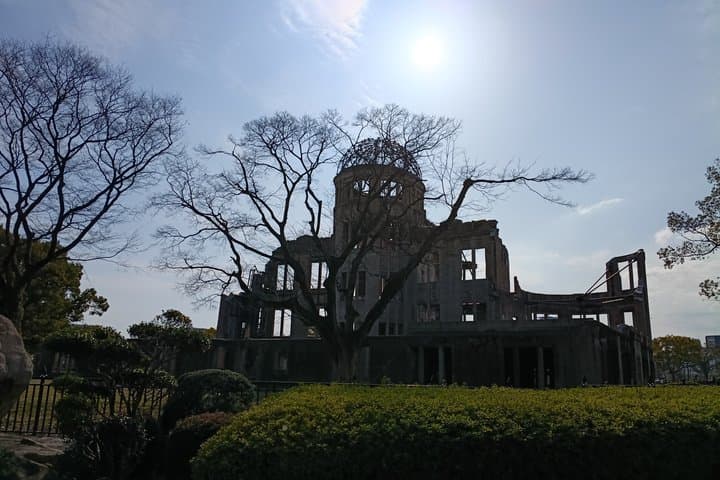
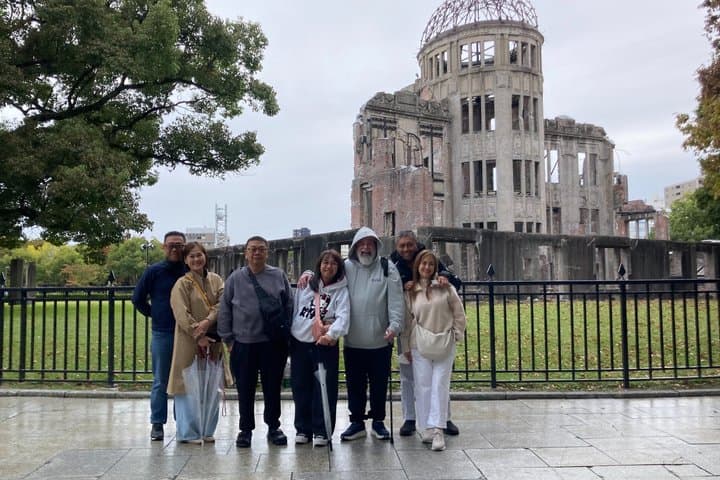
Day 11: Kyoto to Hiroshima. Take the Shinkansen to Hiroshima and check the current timetable. The Peace Memorial Museum is open 7:30–19:00 from March to July and September to November, 7:30–18:00 from December to February, and closes on 30 and 31 December; admission is ¥200 for adults and ¥100 for high school students, with children up to junior high school free (2025 figures). The Hiroshima National Peace Memorial Hall for the Atomic Bomb Victims is free and open 8:30–18:00 from March to November and 8:30–17:00 from December to February, closing on 30 and 31 December (Hiroshima map). Hiroshima Castle and Shukkeien Garden fill the afternoon. Stay overnight in Hiroshima. See Hiroshima destination guide, Hiroshima and Miyajima private tour, and Hiroshima and Miyajima bus tour.
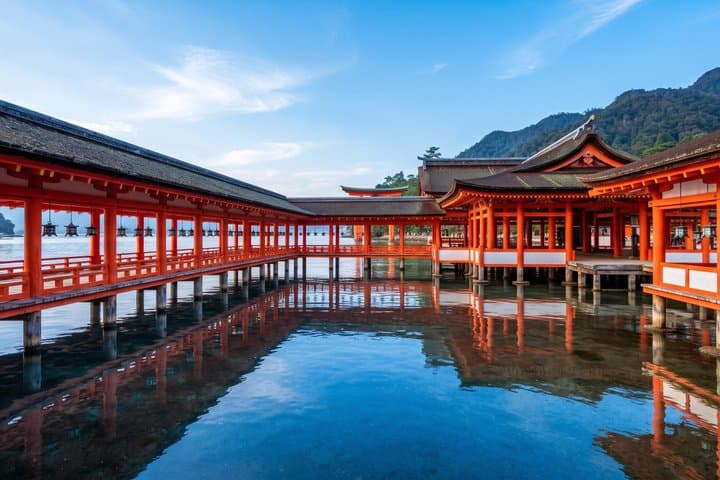
Day 12: Miyajima and Osaka. In the morning, go to Miyajima for the floating torii gate. The World Heritage Sea Route runs from Motoyasu Pier, 150 metres south of the Atomic Bomb Dome, to Miyajima in about 45 minutes; one-way fares are ¥2,400 for adults and ¥1,200 for children, and a Miyajima visitor tax of ¥100 per person is payable separately. Bookings are accepted until the day before boarding, and transport IC cards are not accepted, so bring cash or a credit card (Aqua Net Hiroshima). If you hold a Japan Rail Pass, the JR West Miyajima ferry is covered, but the ¥100 visitor tax is not (JR Pass leaflet). Then continue to Osaka by Shinkansen and check the timetable. Stay in Osaka for the last nights.
Days 13–14: Osaka. Eat through Dotonbori, visit Osaka Castle (check current admission), browse Kuromon Ichiba Market, and try kushikatsu in Shinsekai. See Osaka destination guide, weekend Osaka itinerary, and day trips from Osaka. Tours include the Osaka food tour and Osaka kickstart tour. On Day 14, depart from Kansai Airport or return to Tokyo; see Kansai to Osaka.
Practical notes
- Luggage forwarding: Send bags ahead between Tokyo and Kyoto or Osaka. Check the operator's current rates. See Japan luggage forwarding.
- Packing: See the Japan packing list.
- Best months: March–April for cherry blossoms and November for autumn foliage. Avoid Golden Week in early May. See the cherry blossom guide and autumn foliage 2026.
- Money and etiquette: See Japanese money and tipping, Japanese etiquette, and tax-free shopping.
- Visa: Check the Japan visa guide before booking.
- Budget: Use the Japan trip budget, Tokyo–Kyoto budget, and Japan on $100 a day.
Sources
- City government — official page
- JNTO — Japan travel guide
- jreast.co.jp
- Japanese government — official page
- Official tourism association
Verified 2026-10-26.
Ready to explore Japan?
Browse tours and activities, or tell us what you're looking for and we'll suggest the best options.
Stay Connected in Japan
Airalo eSIMs work on arrival — no physical SIM needed. Data plans from $5 for 7 days.
Travel Insurance for Japan
Medical, trip cancellation, and adventure sports covered. Plans from $1.5/day.